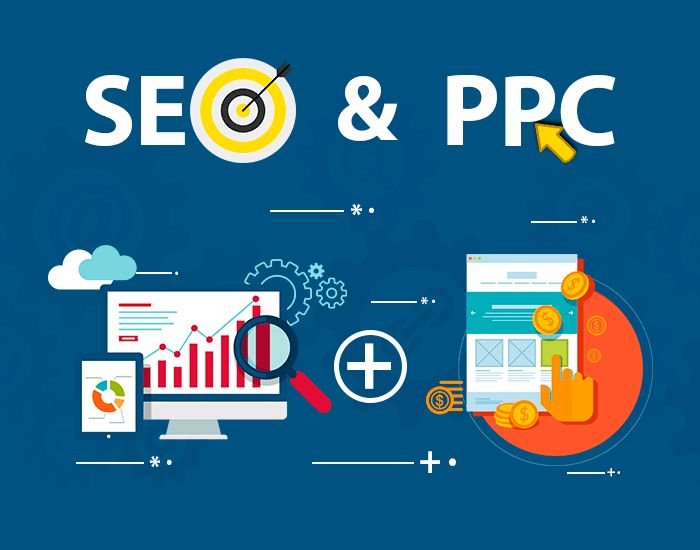
Tag: online marketing strategies

  • SEO vs. PPC

    SEO vs. PPC

    SEO vs. PPC – Which One is Better for Beginners?
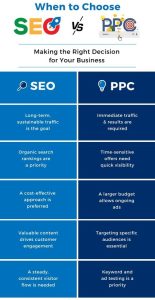
    SEO-vs-PPC-which-one-is-best – 1

    In the world of digital marketing, SEO (Search Engine Optimization) and PPC (Pay-Per-Click) are two of the most powerful strategies to drive traffic, generate leads, and grow an online presence. But if you’re a beginner stepping into digital marketing or looking to promote your business, you might be wondering – “Which is better: SEO or PPC?”

    The answer isn’t the same for everyone. It depends on your goals, budget, timeline, and knowledge level.

    Let’s explore both in detail and understand which one is more suitable for beginners.

    What is SEO?

    This may contain: the local seo map for local businesses

    Search Engine Optimization (SEO) is the practice of optimizing your website and content so that it ranks higher in organic search results on platforms like Google, Bing, and Yahoo. The goal is to appear on the first page of search engines without paying for ads.

    How SEO Works:

    • Use relevant keywords people are searching for.

    • Optimize website speed and mobile experience.

    • Build backlinks from other trusted websites.

    • Create high-quality, helpful content.

    • Use proper meta titles, descriptions, and image tags.

    Benefits of SEO:

    • Free Organic Traffic: You don’t have to pay for every visitor.

    • Long-Term Results: A well-optimized site can rank for months or even years.

    • Builds Trust & Authority: Users trust organic results more than ads.

    • Cost-Effective in the Long Run: Although slow in the beginning, it becomes cheaper over time.

    • Better ROI Over Time: SEO brings compounding results with consistency.

    Limitations of SEO:

    • Takes 3 to 6 months (or more) to see good results.

    • Requires consistent effort in content creation and optimization.

    • High competition in some niches.

    • Google algorithm updates can affect rankings.

    What is PPC?

    Pay-Per-Click (PPC) is an online advertising model where you pay money each time someone clicks your ad. Popular platforms include Google Ads, Facebook Ads, Instagram Ads, and YouTube Ads.

    This may contain: three different signs with the words ppc and pay per click

    How PPC Works:

    • Create an ad and set a budget.

    • Target specific keywords, interests, or demographics.

    • Your ad appears above organic results or in social media feeds.

    • You pay only when someone clicks your ad.

    Benefits of PPC:

    • Instant Visibility: You can show up on the first page of Google within hours.

    • Targeted Traffic: Choose exactly who sees your ad – based on location, age, gender, interest, device, etc.

    • Easy to Track: You get detailed analytics and data.

    • A/B Testing Possible: Quickly test different ad versions to see what works.

    • Useful for Short-Term Goals: Ideal for product launches, sales, and events.

    Limitations of PPC:

    • Costly in the long term: You must keep spending to keep traffic coming.

    • Click fraud or bot traffic may waste your budget.

    • Learning curve involved for proper ad targeting and copywriting.

    • Can get expensive for competitive keywords (₹50 to ₹300+ per click).

    SEO vs. PPC: Direct Comparison

    Factor SEO PPC
    Cost Free (organic) Paid per click
    Speed Slow (months) Fast (hours or days)
    Sustainability Long-term traffic Stops when you stop paying
    Trust Level Higher trust (organic results) Slightly less trust (ads)
    Technical Skills Needs learning, but manageable Needs ad setup and strategy
    Ideal For Long-term brand building Short-term goals, product launches
    ROI Over Time High if done consistently Good, but needs budget control


    Which One is Better for Beginners?

    Choose SEO if:

    • You have low or no budget.

    • You’re ready to wait and grow gradually.

    • You want to build a long-term career in digital marketing.

    • You enjoy writing content or learning how Google works.

    • You want to rank your blog, business site, or portfolio organically.

    Tip: SEO is a long-term investment. If you’re patient and consistent, the results are powerful and sustainable.

    Choose PPC if:

    • You have a product or service to promote immediately.

    • You have some budget to spend on ads.

    • You want quick results and are okay with short-term traffic.

    • You are a business owner or freelancer looking for fast leads or conversions.

    • You enjoy working with numbers, targeting, and ad creatives.

    Tip: PPC is great for immediate impact. But you must monitor and optimize to avoid overspending.

    Conclusion

    Both SEO and PPC have their strengths, and each works best depending on your specific goals, budget, and timeline.

    For beginners, SEO is ideal for building long-term skills and organic growth, while PPC offers faster visibility and is great for short-term goals or immediate promotions.

    The best strategy? Start with SEO to build a foundation, and as you get more comfortable, experiment with PPC for targeted traffic and quicker results.

    If you’re confused or need guidance on both, Gourav Digital Club offers comprehensive training on SEO, PPC, and everything in between.
     

  • How Digital Marketing Can Help Small Businesses Grow

    How Digital Marketing Can Help Small Businesses Grow


    In today’s fast-paced digital era, small businesses often face unique challenges when it comes to competing with larger, more established brands. However, one powerful tool has leveled the playing field for small businesses: Digital Marketing. By leveraging digital marketing strategies, small businesses can enhance their online presence, reach a broader audience, and achieve sustainable growth. Let’s explore how digital marketing can benefit small businesses and help them grow.

    1. Cost-Effective Advertising

    Traditional marketing methods such as TV ads, radio commercials, and print media can be expensive, especially for small businesses with limited budgets. Digital marketing offers a more affordable alternative. Platforms like Google Ads, Facebook, Instagram, and email marketing provide a low-cost way to advertise to a highly targeted audience. You can reach your ideal customer based on demographics, interests, and online behaviors without overspending.

    2. Improved Brand Visibility

    One of the biggest advantages of digital marketing is the ability to significantly boost your brand’s visibility. By optimizing your website for search engines (SEO), using social media to engage with customers, and running paid ad campaigns, you ensure that your brand is visible to potential customers when they search for products or services that you offer.

    With millions of people browsing the internet daily, the potential reach is vast, and even a small business can make a significant impact with the right digital marketing strategy. Whether it’s through social media posts, blog content, or SEO, increasing your brand’s online presence can make all the difference.

    3. Better Customer Engagement

    Digital marketing allows small businesses to directly engage with their customers. Social media platforms such as Facebook, Instagram, and Twitter enable you to respond to customer queries in real-time, engage with your audience through polls and posts, and create an ongoing conversation with your customers. This two-way communication builds stronger relationships and customer loyalty.

    Customer feedback, reviews, and comments on social media or product pages also give businesses the opportunity to improve and address any concerns promptly, fostering trust and enhancing your reputation.

    4. Targeted Marketing

    This may contain: a magnifying glass with the word target audience under it next to some office supplies

    Unlike traditional marketing, digital marketing allows businesses to target very specific segments of the population. Using tools like Facebook Ads and Google AdWords, small businesses can target their ads based on location, age, interests, online behavior, and more. This level of precision ensures that your marketing efforts reach the people who are most likely to be interested in your products or services, making your campaigns more effective and less wasteful.

    For example, if you own a local bakery, you can target potential customers within a certain radius of your store, ensuring that your marketing dollars are spent reaching people who are likely to visit your shop.

    5. Enhanced Analytics and Insights

    With traditional marketing methods, it’s often difficult to track the effectiveness of campaigns. Digital marketing, on the other hand, provides real-time data on how well your campaigns are performing. Google Analytics, social media insights, and email marketing analytics allow you to track everything from website visits and bounce rates to conversion rates and engagement metrics.

    By analyzing these insights, small businesses can make data-driven decisions, optimize campaigns, and refine their strategies for better results. This makes it easier to understand what works, what doesn’t, and where to allocate resources for maximum impact.

    6. Increased Sales and Conversions

    This may contain: a smartphone with icons surrounding it and an image of a house on top of the screen

    Effective digital marketing strategies can lead directly to an increase in sales and conversions. Whether through a well-optimized website, email marketing campaigns, or retargeting ads, small businesses can turn online engagement into tangible sales. Techniques like offering exclusive discounts to email subscribers or using retargeting ads to remind website visitors of products they left behind can help drive conversions.

    Additionally, the ability to track and optimize the customer journey allows businesses to nurture leads more effectively and convert them into paying customers.

    7. Building Trust and Credibility

    Digital marketing helps small businesses establish trust and credibility among their target audience. Consistent, valuable content – such as blog posts, videos, and informative social media updates – positions a business as an expert in its field. Positive customer reviews and testimonials shared online can further build trust, influencing potential customers to choose your business over competitors.

    Moreover, having an active and professional online presence conveys reliability and competence, which can be crucial in winning the trust of new customers.

    8. Scalability and Flexibility

    One of the most powerful aspects of digital marketing is its scalability. As a small business grows, so can your marketing efforts. You can start with simple campaigns, focusing on a local audience, and then scale up to include national or even international markets. Digital marketing channels allow for flexibility, so you can adjust your strategy as your business evolves.

    For instance, if you see success with Facebook Ads, you can increase your ad spend to reach a larger audience or expand to other platforms like Instagram or YouTube.

    Conclusion

    Digital marketing is a game-changer for small businesses looking to grow in today’s competitive marketplace. From cost-effective advertising and targeted marketing to enhanced customer engagement and real-time analytics, digital marketing provides the tools necessary to level the playing field. Small businesses that embrace these strategies not only improve their chances of survival but can also build a sustainable and thriving presence in the digital world.

    By leveraging the right digital marketing tactics, small businesses can achieve their growth goals and connect with a larger audience than ever before. If you’re a small business owner, now is the time to harness the power of digital marketing and start growing your business today.

    Want to learn more about how digital marketing can help your business? Enroll in our digital marketing course at Gourav Digital Club and unlock the potential for your growth!